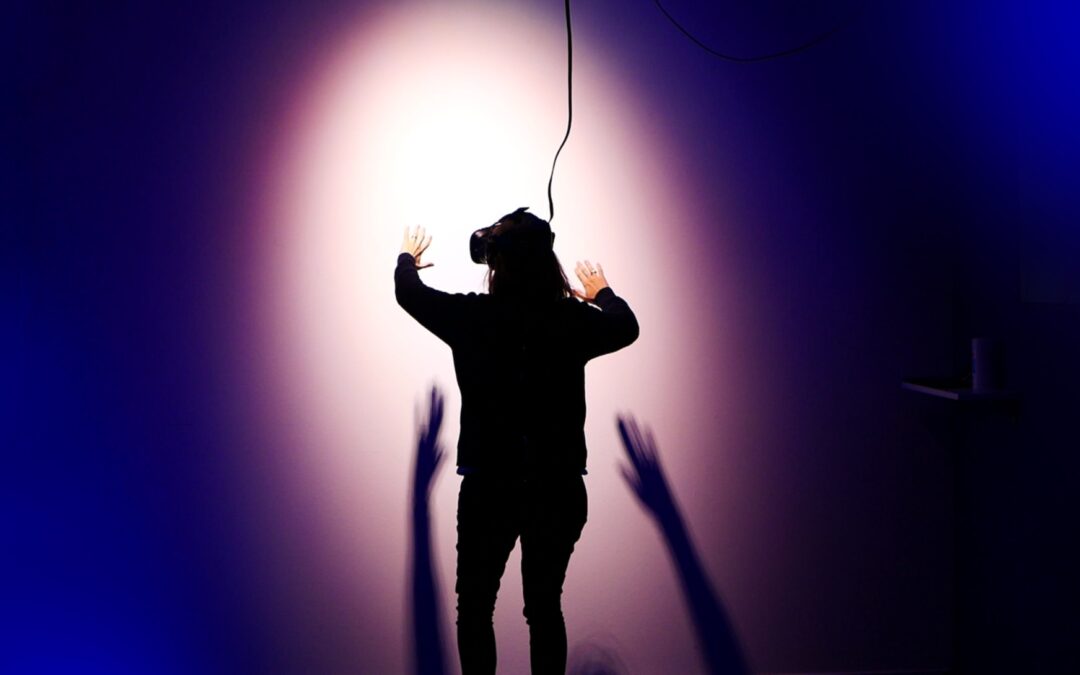
In our ongoing exploration of Extended Reality (XR), we’ve seen how this transformative technology is reshaping user experiences and design principles. Now, let’s peer into the future of XR and explore the emerging trends and predictions that are set to redefine the way we interact with digital content and our surroundings.
1. XR in Everyday Life
As XR technology becomes more accessible and user-friendly, it’s poised to become a part of our daily lives. Augmented Reality (AR) glasses and Mixed Reality (MR) headsets will evolve to the point where they resemble conventional eyewear, offering seamless access to digital information, navigation assistance, and even social interactions. Imagine walking down the street and effortlessly receiving real-time information about points of interest or having virtual meetings with friends and colleagues while seeing them in your physical environment.
2. XR for Remote Work and Collaboration
The COVID-19 pandemic accelerated the adoption of remote work and virtual collaboration tools. In the future, XR will take remote work and collaboration to the next level. Virtual Reality (VR) meeting spaces will become more sophisticated, providing lifelike interactions, avatars, and immersive environments. This will enhance teamwork, creativity, and productivity as colleagues from around the world collaborate as if they were in the same room.
3. XR in Healthcare
XR will play a pivotal role in revolutionizing healthcare. Surgeons will use AR overlays during surgeries for real-time guidance, reducing the risk of errors. Patients will benefit from XR-based therapies and rehabilitation exercises, enhancing recovery. Additionally, medical education will see a transformation with XR, allowing students to practice complex procedures in a virtual environment.
4. XR in Education
Education will see a significant shift with XR. Virtual field trips, interactive 3D models, and immersive historical reenactments will engage students in ways that traditional textbooks cannot. XR will bridge geographical gaps, bringing the world’s best educators into classrooms worldwide, offering an equitable education experience.
5. XR in Entertainment and Gaming
Entertainment and gaming will continue to be hotbeds for XR innovation. VR and AR experiences will become more cinematic and interactive, blurring the lines between storytelling and gaming. Expect to see massive multiplayer VR worlds and AR-enhanced live events that captivate audiences in entirely new ways.
6. XR for Training and Simulations
Industries such as aviation, manufacturing, and emergency services will increasingly rely on XR for training and simulations. XR environments will accurately replicate real-world scenarios, allowing professionals to hone their skills in a safe and controlled setting. This will lead to improved safety, reduced training costs, and more efficient operations.
7. XR and Artificial Intelligence (AI) Integration
XR and AI will converge to create smarter and more context-aware experiences. AI algorithms will enhance AR and VR applications by recognizing objects, providing real-time translations, and generating responsive and realistic virtual characters. This synergy will result in more personalized and adaptive XR experiences.
8. Ethical Considerations and Regulations
As XR technology advances, discussions about ethics, privacy, and regulation will become increasingly important. Striking the right balance between innovation and responsible use will be a critical challenge. New regulations and ethical guidelines will emerge to protect user data, privacy, and mental health.
In conclusion, the future of Extended Reality is undeniably exciting and full of potential. XR is poised to become an integral part of our daily lives, transforming how we work, learn, play, and interact with the world around us. As these trends and predictions unfold, it’s essential for designers, developers, and users to stay informed and engaged with the ever-evolving XR landscape. Embracing XR’s possibilities responsibly and ethically will pave the way for a more immersive, connected, and innovative future.